Nobel peace prize winner Maria Corina Machado: the Venezuelan opposition leader forced into hiding after taking on Maduro
Source: The Conversation
Across Latin America, democracy is coming under severe pressure. Authoritarian leaders across the continent have been entrenching political power through constitutional manipulation, militarised policing and the persecution of dissent.
In Venezuela, Nicaragua, El Salvador and Argentina, regimes are increasingly eroding democracy and mounting a backlash against human rights.
It is in this bleak regional landscape that the Nobel Committee’s decision to award the 2025 peace prize to María Corina Machado has landed. The award is a recognition of one woman’s defiance. But it is also an opportunity to ask what kind of democracy and what kind of peace the world should aspire to.
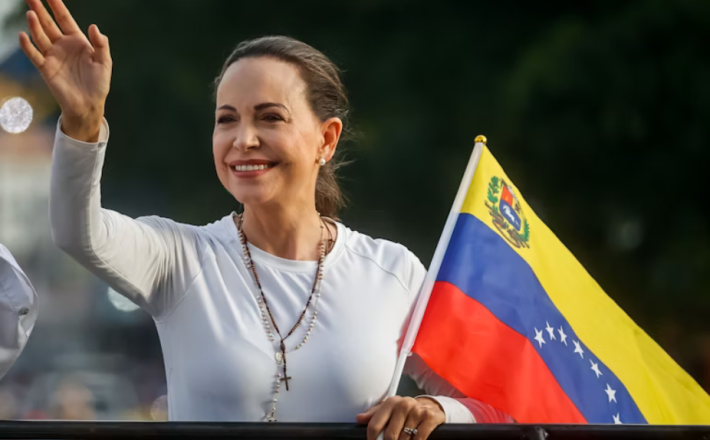
Machado has long been the face of Venezuela’s democratic opposition. Disqualified from public office, vilified by Nicolás Maduro’s regime and repeatedly threatened, she embodies the persistence of civic dissent.
The Nobel prize committee’s citation reads: “She is receiving the Nobel Peace Prize for her tireless work promoting democratic rights for the people of Venezuela, and for her struggle to achieve a just and peaceful transition from dictatorship to democracy.”
Yet that transition is a long way from being achieved and remains deeply uncertain. Venezuela has fallen victim to increasing political polarisation and is now suffering one of the worst displacement crises in the hemisphere, with 8 million people having left the country since 2014. And the threat of US interference is ever present.

Hear from women leading change in the political space share their experiences and insights.

Explore a wide-range of audio-visual resources on key topics of gender equality.

Hear from a diverse list of panelists and guests as they reflect on critical issues pertaining Women in Politics.